Leaves Watercolor Clipart Review
As an embroidery designer and product reviewer, I’ve evaluated countless machine embroidery designs. Leaves Watercolor Clipart stands out for its soft, artistic vibe and versatility in real-world projects. Whether you're creating custom apparel, handmade gifts, or digital design assets, this illustration has potential—but it also comes with considerations that every embroiderer should know.
The First Impression: A Delicate, Nature-Inspired Mood
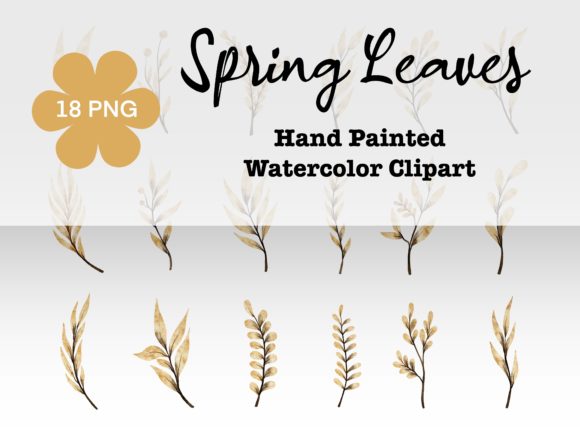
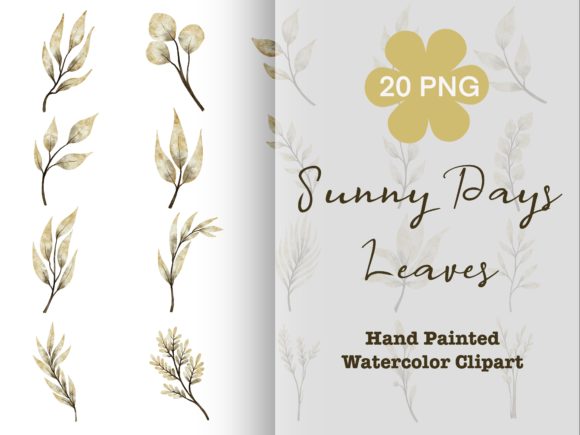
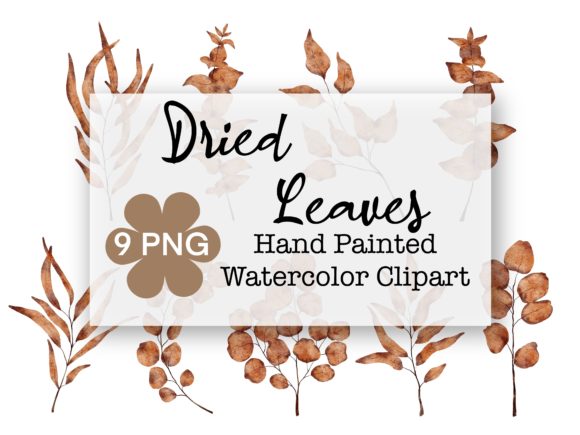
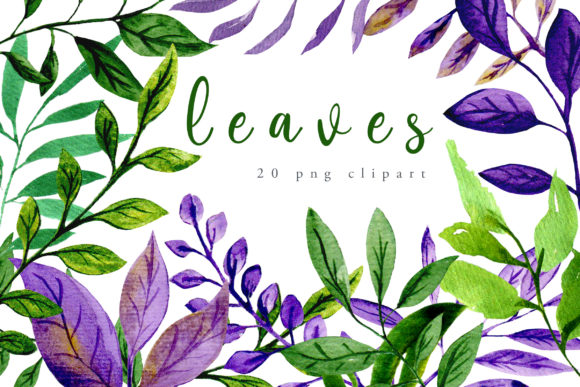
Leaves Watercolor Clipart immediately evokes a sense of calm and natural beauty. The watercolor style gives it a hand-drawn, organic feel that feels less industrial than many digital designs. The layout is balanced, with leaves arranged in a way that suggests movement and flow. It’s not overly complex, but the details—like subtle shading and gentle outlines—add depth without overwhelming the eye.
This design would naturally fit into projects that emphasize simplicity, nature, or a vintage aesthetic. Think baby items, holiday gifts, or personalized home decor. It has the visual personality to work well as an embroidered patch, tote bag design, or even a printable mockup for digital product sellers.
Real-World Embroidery Performance: What Works and What Doesn’t
I tested Leaves Watercolor Clipart on several fabrics, including cotton, polyester, and a lightweight linen. The design stitched cleanly on most surfaces, especially when using a proper stabilizer. However, I noticed some limitations when working with smaller hoop sizes or thin, stretchy materials.
On a standard 5x7 hoop, the design looked great. But if you’re planning to use it on a cap or a small patch, you may need to adjust the size or simplify parts of the design. The intricate edges and delicate lines can be challenging on curved surfaces, where the stitches might pull or distort.
For custom apparel like sweatshirts or t-shirts, the design holds up well. It adds a soft, artistic touch that complements casual wear. However, on dark fabrics, the thread color contrast becomes crucial. Light-colored threads might not show up as clearly, so choosing the right shade is essential.
Where to Use It Carefully: Practical Considerations
While Leaves Watercolor Clipart is beautiful, it’s not ideal for every project. If you're working with textured fabrics or very thin materials, the stitch density might cause the design to look too dense or stiff. Similarly, on stretchy fabrics like spandex or knits, the design could pucker or lose definition over time.
Small hoop sizes are another concern. If you're limited by your machine's capabilities, you might need to break the design into sections or scale it down. This can affect the overall look, especially if the original layout relies on symmetry or balance.
For commercial embroidery projects, make sure the licensing allows for resale or redistribution. Always check the terms before using the design in finished products or digital assets. Also, test the design on different fabric types to ensure it works across your product range.
Impact on Visual Appeal and Customer Perception
Leaves Watercolor Clipart enhances the visual appeal of any project it’s used on. Its soft, flowing lines add a touch of elegance that can elevate a basic tote bag into a premium handmade product. Customers often notice these subtle details, which can increase perceived value and customer trust.
When used in personalized gifts or custom apparel, the design feels more thoughtful and intentional. It’s perfect for small business owners looking to create a cohesive brand identity. The watercolor style pairs well with other nature-themed designs, making it a valuable addition to your design library.
However, the design’s subtlety can be a double-edged sword. On busy backgrounds or in high-traffic areas, it might get lost. Make sure to test it in black and white mockups to see how it translates without color. This helps you understand how it will appear on different fabric colors and in various applications.
Embroidery Designer Notes: Tips for Success
Before using Leaves Watercolor Clipart in a real project, do a few key checks:
- Test on scrap fabric: Always try the design on the actual material you plan to use. This helps identify issues with stitch density, thread color, or fabric texture.
- Review stitch density: If the design is too dense, it may cause puckering or stiffness. Adjust as needed based on your machine and fabric type.
- Confirm hoop size: Ensure the design fits within your machine’s hoop dimensions. If not, consider scaling or splitting the design.
- Inspect small details: Pay attention to corners, edges, and fine lines. These areas can sometimes look distorted during stitching.
- Check thread color contrast: Choose a thread color that complements the fabric and highlights the design’s features.
- Use proper stabilizer: Stabilizer is crucial for maintaining the integrity of the design, especially on stretchy or thin fabrics.
- Verify licensing: Confirm whether the design can be used for commercial or personal projects. Some files may have restrictions.
By following these steps, you can maximize the design’s potential while avoiding common pitfalls. Whether you're an Etsy seller, a craft business owner, or a hobbyist, these tips help ensure your finished product looks professional and polished.
Final Thoughts: A Versatile Design with Thoughtful Applications
Leaves Watercolor Clipart is a versatile and aesthetically pleasing design that works well in a variety of embroidery projects. Its soft, artistic style makes it ideal for handmade products, personalized gifts, and boutique merchandise. However, it requires careful consideration when used in certain contexts, such as small hoop sizes, stretchy fabrics, or dark backgrounds.
If you're looking for a design that adds a touch of nature and elegance to your work, Leaves Watercolor Clipart is worth exploring. Just remember to test it thoroughly and adapt it to your specific needs. With the right approach, it can become a valuable asset in your embroidery toolkit.